How to Manage Cold Feet While Skiing: The Definitive Editorial Guide
The sensation of thermal loss in the lower extremities during alpine activities is rarely a simple matter of environmental exposure. It is, instead, a complex failure of the body’s thermoregulatory system, often exacerbated by mechanical constraints and physiological feedback loops. When a skier experiences a drop in pedal temperature, they are witnessing the culmination of several intersecting variables: peripheral vasoconstriction, moisture-wicking inefficiencies, and the restrictive geometry of the ski boot itself. Addressing this issue requires a move away from “quick-fix” solutions like disposable chemical heaters and toward a systemic understanding of how heat is generated, retained, and lost within the specific confines of mountain sports.
In the sub-zero alpine environment, the foot serves as a distal radiator. Because it is composed of relatively little muscle mass and a high concentration of bone and connective tissue, its ability to generate metabolic heat is negligible. Therefore, the foot relies entirely on the continuous delivery of warm, oxygenated blood from the core. Any factor that impedes this circulatory “conveyor belt”—whether it be a buckle that is too tight, a sock that is too thick, or a core temperature that has begun to dip—will inevitably result in a rapid cooling of the toes.
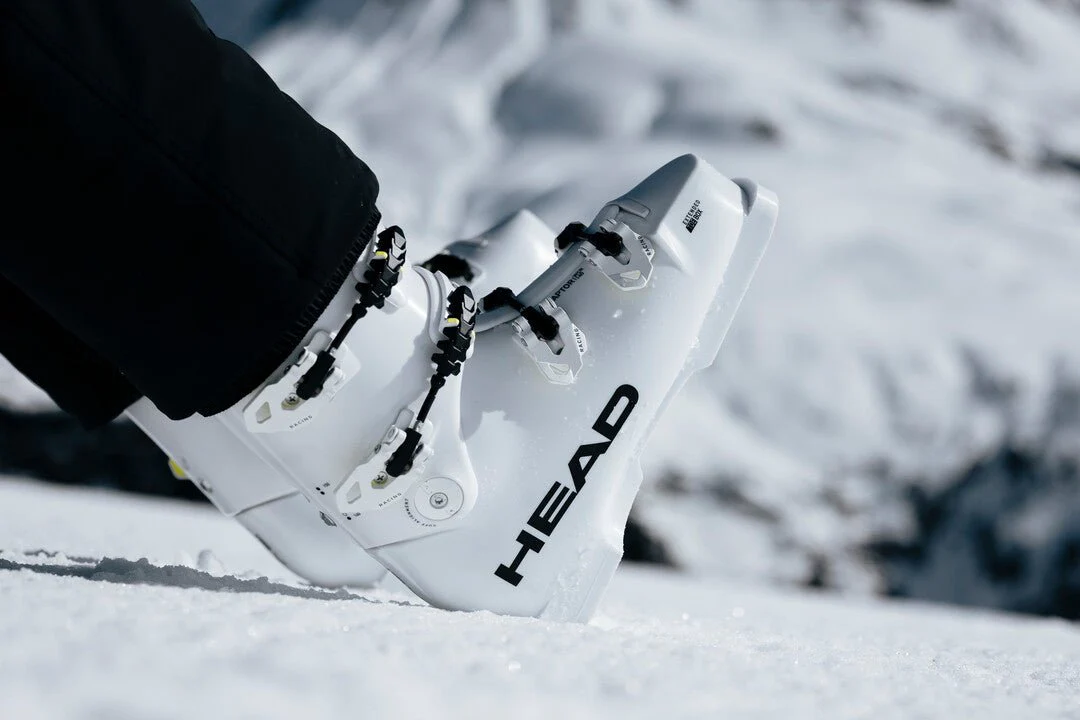
Furthermore, the materials involved in modern skiing contribute to a “thermal bridge.” The plastic shell of a ski boot, while excellent for energy transmission, is a poor insulator and a high-efficiency conductor of cold. When combined with the moisture generated by physical exertion, the boot becomes a micro-climate of high humidity and low temperature. To manage this environment effectively, one must look beyond the boot and analyze the entire physiological and mechanical “stack.” This editorial provides a definitive framework for thermal management, moving from fundamental vascular science to the highly specific technical calibrations required for long-term comfort on the snow.
Understanding “how to manage cold feet while skiing”
To master how to manage cold feet while skiing, one must first discard the notion that “more insulation equals more warmth.” This is perhaps the most persistent oversimplification in the industry. In the constrained volume of a ski boot, adding a second pair of socks or a thicker liner often has the opposite of the intended effect. By increasing the volume of material, the skier inadvertently increases the pressure on the dorsal (top) of the foot, where the primary arteries reside. This mechanical compression slows blood flow, effectively turning off the “heater” to the toes regardless of how much wool is present.
A multi-perspective view of this problem acknowledges three distinct layers:
-
The Circulatory Perspective: The body’s priority is the protection of internal organs. If the core temperature drops even slightly, the brain triggers peripheral vasoconstriction—shutting down blood flow to the hands and feet to conserve heat for the heart and lungs.
-
The Moisture Perspective: Wet feet are cold feet. Water conducts heat away from the skin 25 times faster than air. Managing perspiration is as critical as blocking the wind.
-
The Mechanical Perspective: The “fit” of the boot dictates the “flow” of the blood. A boot that is “dead-on” for performance is often “dead-cold” for comfort because it leaves zero air space for insulation.
Managing this requires a “Systems Approach” where the skier treats the boot, the sock, the base layer, and the core as a single integrated unit.
Historical and Systemic Evolution of Thermal Management
In the early decades of the 20th century, ski boots were made of leather—a material that was somewhat breathable and capable of molding to the foot’s unique vascular patterns. While leather absorbed water and eventually froze, its flexibility allowed for relatively unimpeded circulation. The systemic shift occurred in the 1960s with the introduction of plastic shells. These provided the lateral stiffness necessary for modern carved turns but introduced a “hermetic seal” that trapped moisture and conducted ambient cold directly to the foot.
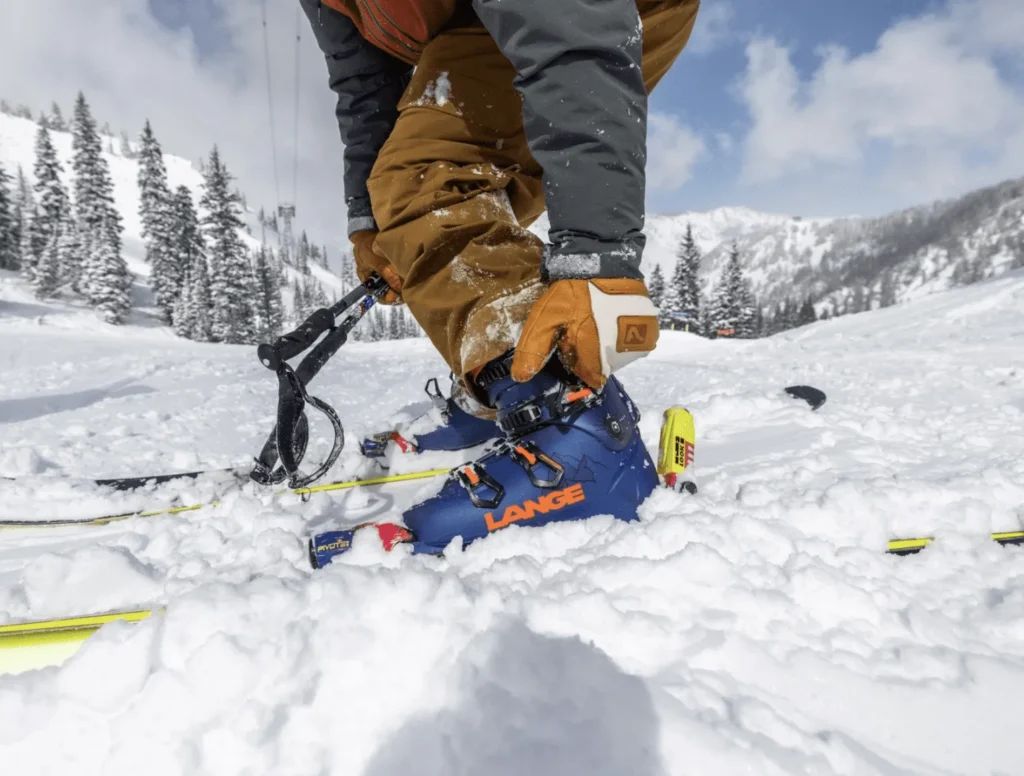
The 1990s and 2000s saw the rise of “Custom Bootfitting” and “Heated Technology.” As the sport became more refined, the industry realized that “standard” sizing was a primary cause of cold feet due to the pressure points created by generic shells. The introduction of battery-powered heating elements and vacuum-molded liners marked a transition from passive insulation to active thermal regulation. Today, the frontier of the field lies in material science—specifically the use of aerogel and graphene-infused liners that offer extreme insulation without the bulk that compromises circulation.
Conceptual Frameworks and Vascular Mental Models
Addressing thermal loss is more effective when using structured mental models to diagnose the root cause.
1. The “Radiator and Pump” Model
Think of the heart as the pump and the blood as the coolant/heating fluid. The feet are the furthest radiators in the system. If the pump is weak (low heart rate) or the pipes are kinked (tight buckles), the radiator goes cold. No amount of insulation on the radiator will fix a lack of hot fluid.
2. The “Air Gap” Insulation Principle
Thermal resistance (R-value) is largely dependent on trapped air. In a ski boot, the “dead air” space between the sock and the liner is the primary insulator. If this space is eliminated by over-tightening or over-stuffing, the R-value drops to nearly zero.
3. The “Core-to-Extremity” Feedback Loop
This model suggests that cold feet are often a symptom of a cold torso. By the time your feet feel numb, your core has likely already begun the vasoconstriction process. The solution is often to add a vest or a neck gaiter rather than a thicker sock.
Key Categories of Thermal Intervention
| Category | Primary Mechanism | Trade-off | Strategic Use |
| Mechanical Alignment | Removing pressure from the instep to allow blood flow. | May decrease high-speed control. | Chronic numbness or tingling. |
| Active Heating | Battery-powered insoles or socks. | High cost; battery life limits. | Extremely cold climates; low-circulation users. |
| Moisture Control | Ultrathin synthetic/merino blends; foot powders. | Requires high-quality, breathable liners. | High-output/Spring skiing. |
| Vapor Barrier Liners | Preventing sweat from entering the sock/liner. | Can feel “swampy” or uncomfortable. | Multi-day expeditions; extreme cold. |
| Boot Gloves/Shrouds | External neoprene covers for the boot shell. | Aesthetic cost; can be clumsy. | High-wind, high-altitude days. |
| Core Augmentation | Increasing torso insulation to trigger vasodilation. | Can lead to upper-body overheating. | General temperature management. |
Detailed Real-World Scenarios
Scenario A: The “Performance Fit” Crisis
-
Context: A high-level skier uses a low-volume (LV) “plug” boot for maximum control.
-
The Failure: At -10°F, the feet go numb within 30 minutes.
-
The Cause: The narrow “last” of the boot is compressing the lateral nerves and vessels.
-
The Logic: Rather than a thicker sock, the solution is a “punch” or “grind” of the plastic shell at the 6th toe and instep by a professional bootfitter to create 1-2mm of vascular space.
Scenario B: The “Sweat-Chill” Cycle
-
Context: A skier is hiking the “back bowls” or doing high-intensity laps.
-
The Mechanism: The feet sweat heavily during the exertion. During the long, cold chairlift ride back up, the moisture in the sock evaporates, sucking heat away from the skin.
-
The Solution: A move to an ultra-thin “compression” style sock that moves moisture faster, combined with a daily “boot dryer” protocol to ensure the liner starts completely dry each morning.
Planning, Cost, and Resource Dynamics
Thermal management is a tiered investment.
| Resource | Price Range | Lifecycle | Value Metric |
| Professional Bootfitting | $100 – $300 | 5-10 Years | High; fixes the “mechanical” root cause. |
| Electric Boot Heaters | $200 – $450 | 3-5 Seasons | High; provides active warmth. |
| High-End Merino Socks | $25 – $35 | 1-2 Seasons | Medium; essential moisture management. |
| Boot Dryers (Home) | $40 – $100 | 10+ Years | Critical; prevents “latent cold” in liners. |
| Chemical Toe Warmers | $2 – $5 | Single Use | Low; often crowds the boot, causing more cold. |
Opportunity Cost: The cost of “Cheap Boots” is often paid in the form of shortened ski days. If a $200 investment in bootfitting extends your daily skiing time by two hours, the “cost per hour” of your vacation drops significantly over a five-day trip.
Tools, Strategies, and Support Systems
Implementing how to manage cold feet while skiing effectively involves specific tactical tools.
-
Boot Dryers: Not just for wetness, but for “pre-heating.” Putting on a warm boot prevents the “initial chill” that can trigger vasoconstriction.
-
Booster Straps: Replaces the stock power strap to allow for a tighter leg fit while keeping the lower buckles loose, preserving blood flow to the foot.
-
Orthotic Footbeds: Aligns the foot to prevent it from “collapsing” and spreading out, which helps maintain the air gap around the foot.
-
The “Buckle Protocol”: Loosening all buckles at the bottom of the run and on the chairlift to allow a “flush” of warm blood back into the toes.
-
Dry Sock Change: Carrying a spare pair of socks to change into at lunch.
-
Reflective Barriers: Thin, space-blanket-style films placed between the liner and the shell to reflect radiant heat back toward the foot.
Risk Landscape: Frostbite and Ischemic Thresholds
The danger of cold feet is not merely discomfort; it is the risk of “Non-Freezing Cold Injury” (NFCI) and frostbite.
-
Stage 1: Frostnip. The skin turns white and cold. This is reversible with immediate warming but is a “Leading Indicator” of system failure.
-
Stage 2: Superficial Frostbite. Ice crystals form in the skin. This can lead to blistering and long-term sensitivity.
-
Stage 3: Deep Frostbite. Damage to the sub-cutaneous tissue and bone.
-
Compounding Risk: Smoking/Nicotine is a potent vasoconstrictor. A skier who smokes will almost always have colder feet than a non-smoker due to the chemical restriction of the peripheral vessels.
Governance, Maintenance, and Long-Term Adaptation
A thermal strategy requires a “Monitoring and Review” cycle.
-
Leading Indicators: Tingling or a “pins and needles” sensation. This is the nervous system’s warning that blood flow is restricted.
-
Lagging Indicators: Total numbness. By the time the foot is numb, the “thermal debt” is already high.
-
Adjustment Triggers: If the temperature drops below 0°F, the “Buckle Protocol” should be mandatory for every chairlift ride.
-
Layered Checklist:
-
Are the boot liners bone-dry?
-
Is the core (torso) over-insulated?
-
Are the lower buckles only on the “first notch”?
-
Is the sock a single, thin layer?
-
Measurement, Tracking, and Evaluation
-
The “Capillary Refill” Test: After a run, press on your toe. It should turn pink again within 2 seconds. If it takes longer, your boots are too tight.
-
The “Chairlift Check”: Can you wiggle your toes freely inside the boot while on the lift? If not, there is no air gap.
-
Documentation: Keep a log of your “Comfort Threshold.” Note the temperature at which your current setup fails. This allows for data-driven upgrades (e.g., “I am comfortable down to 10°F, but I need heaters for sub-zero days”).
Common Misconceptions and Industry Myths
-
Myth: “Thicker socks are warmer.”
-
Correction: Thicker socks often compress the foot and eliminate insulating air, making the foot colder.
-
-
Myth: “Toe warmers (chemical) go on the bottom.”
-
Correction: They should go on top of the toes, where the blood vessels are closest to the skin. However, they often take up too much room and should be avoided in performance-fit boots.
-
-
Myth: “My boots are the right size because they’re my shoe size.”
-
Correction: Ski boots should typically be 1-2 sizes smaller than your street shoes for a “Performance” fit, but they require professional customization to maintain warmth.
-
-
Myth: “Stamping your feet warms them up.”
-
Correction: Stamping can actually cause minor trauma to cold tissues. “Leg swings” (using centrifugal force to pull blood into the feet) are more effective.
-
Conclusion: The Thermal Equilibrium
Managing pedal temperature in the alpine environment is an exercise in balancing the “Radiator and Pump” system. It requires an analytical mindset that prioritizes blood flow over raw insulation. The most successful skiers are those who recognize that the boot is not a static shield, but a dynamic part of their physiology. By maintaining core warmth, ensuring a dry starting environment, and respecting the vascular needs of the foot through proper mechanical fit, one can effectively extend their duration on the mountain.
The “definitive” solution to cold feet is rarely found in a single product. It is found in the synthesis of high-quality materials, professional fitting, and a disciplined “Chairlift Protocol.” In the high-stakes world of winter sports, comfort is not a luxury—it is a functional prerequisite for safety and performance.